
Chris Hedges and Victor Hanson Blame Plummeting Employment on North America’s Free-Trade Agreements
By Bobby Kushner / January 15, 2026KITCHENER, ONT. – Idris Reza and Roovert Katz sit together on the wooden retaining wall adjacent to the driveway of their townhouse rental.
Reza stares at the driveway deep in thought before he inhales deeply on a cigarette and exhales twin streams of smoke out his nostrils.
Katz eyes his friend in distress before he pops an extra-large sour-key treat in his cheek and slides up on Reza. Katz now drapes his arm on the back of Reza’s shoulders and pulls him in close and embraces him.
“Muhammad – Reza’s son – get that job detasseling corn?”
“No Brother!” Reza says. “The farmers only hire the Jamaicans.”
“What!” Katz snaps back.
“The farmers all saying, ‘The government or something allows the Jamaicans to work 60 hours before any overtime pay.’”
“Wow,” Katz shoots back in surprise. “I worked that same job in the 90s. Was 12-years-old back then. Now, the job’s only available for immigrants open to working longer and harder for less.”
“Ya Brother,” Reza said. “That’s life!”
The two North York residents, Idris Reza and Roovert Katz, rent together a one-bed-room basement apartment. Reza’s wife and two teenage kids also live in the one-bedroom rental.
Reza earns a minimum wage working customer service in retail and Katz the same as a labourer for a dubious home-renovation company, which often shirks paying Katz his full pay.
Before Reza and Katz worked these low-pay-and-status jobs, Reza relocated to North York from Iran and Katz from Windsor, Ontario. Reza earned his Ontario mechanical-engineer license three-years past and Katz his double-major undergrad in chemistry and neuroscience two-years past.
However, the two highly educated individuals struggle to find living-wage work both inside and outside their careers, and Reza’s son low-wage agricultural work for the summer. In 2025, these three situations prevail throughout North America!
Two known experts blame the plummeting employment, wages and labour standards on our North American free-trade agreements, not global conflicts, pandemics, misfortune or U.S. President Donald Trump.
Victor Hanson – a conservative columnist, senior fellow at Hoover Institute, Stanford University and professor at California State University and Hillsdale College – said, “Free-trade always encouraged mass immigration, which encourages poorer wages and labour and environmental standards in America, so U.S. employers need to make their labour and products cheaper to compete with the sweatshop-labour in Mexico and China, and that’s a fact – not a myth.”
Chris Hedges – a liberal columnist, writer, Pulitzer Prize winning journalist and senior fellow at The Nation Institute – said, “The North American free-trade agreements, for example, NAFTA – renamed USMCA – accelerated mass job losses, wage stagnation and deindustrialization throughout the U.S. and Canada – especially in manufacturing regions.”
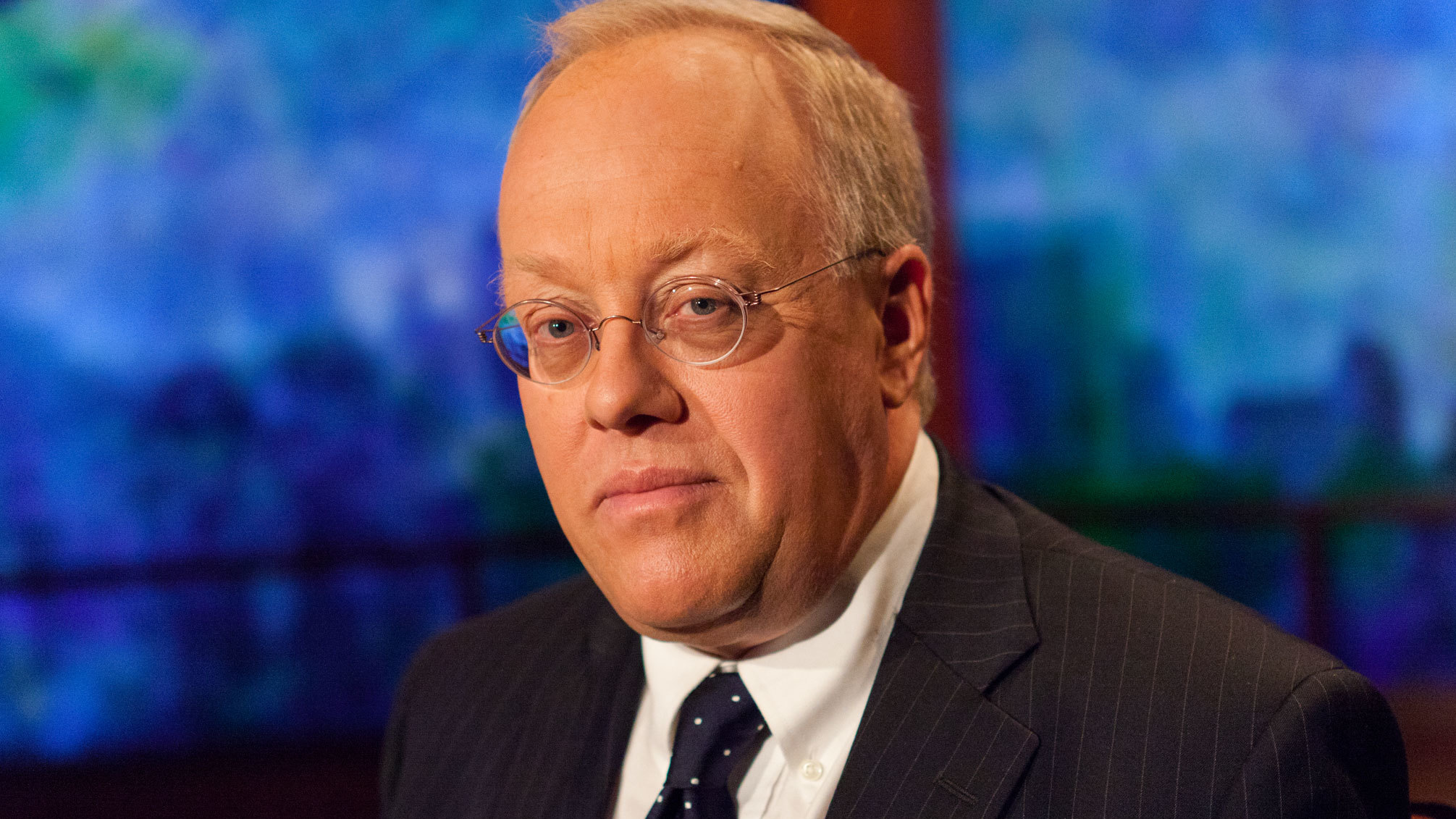 Chris Hedges photo taken from ineteconomics.org
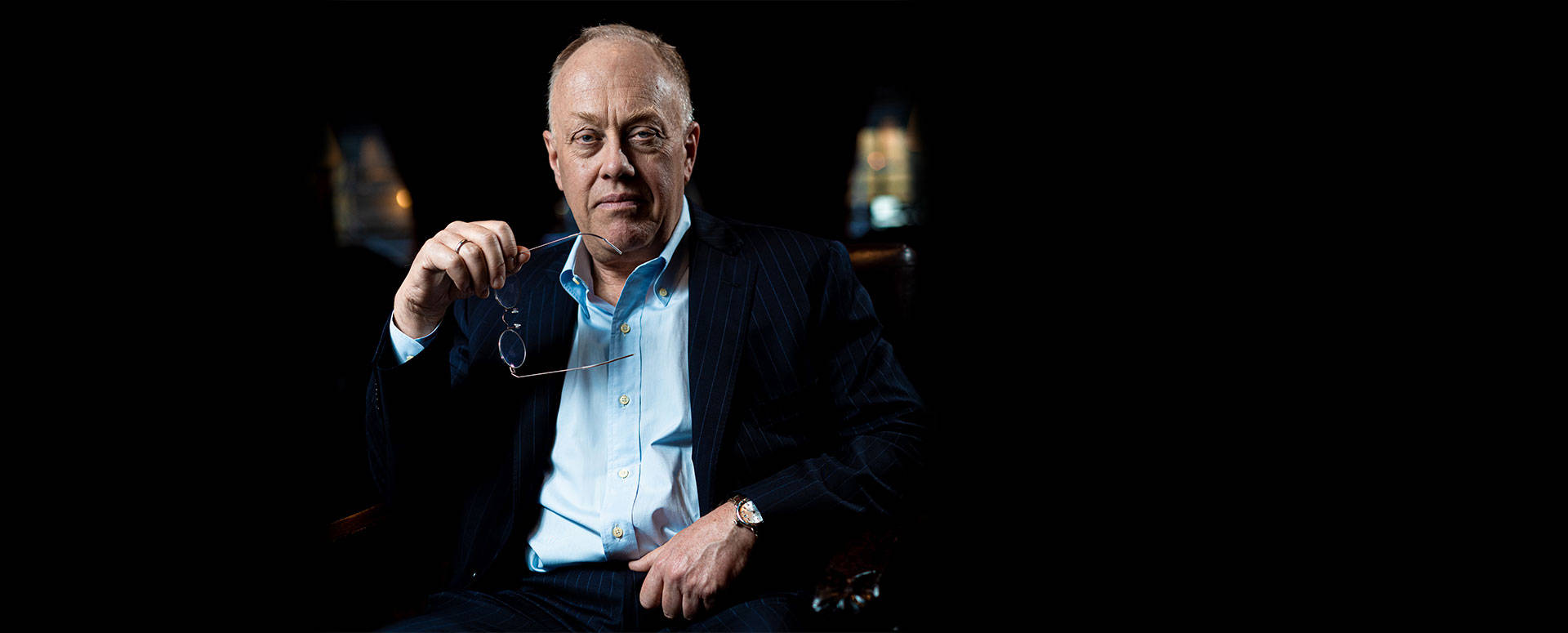 Chris Hedges photo taken from apbspeakers.com
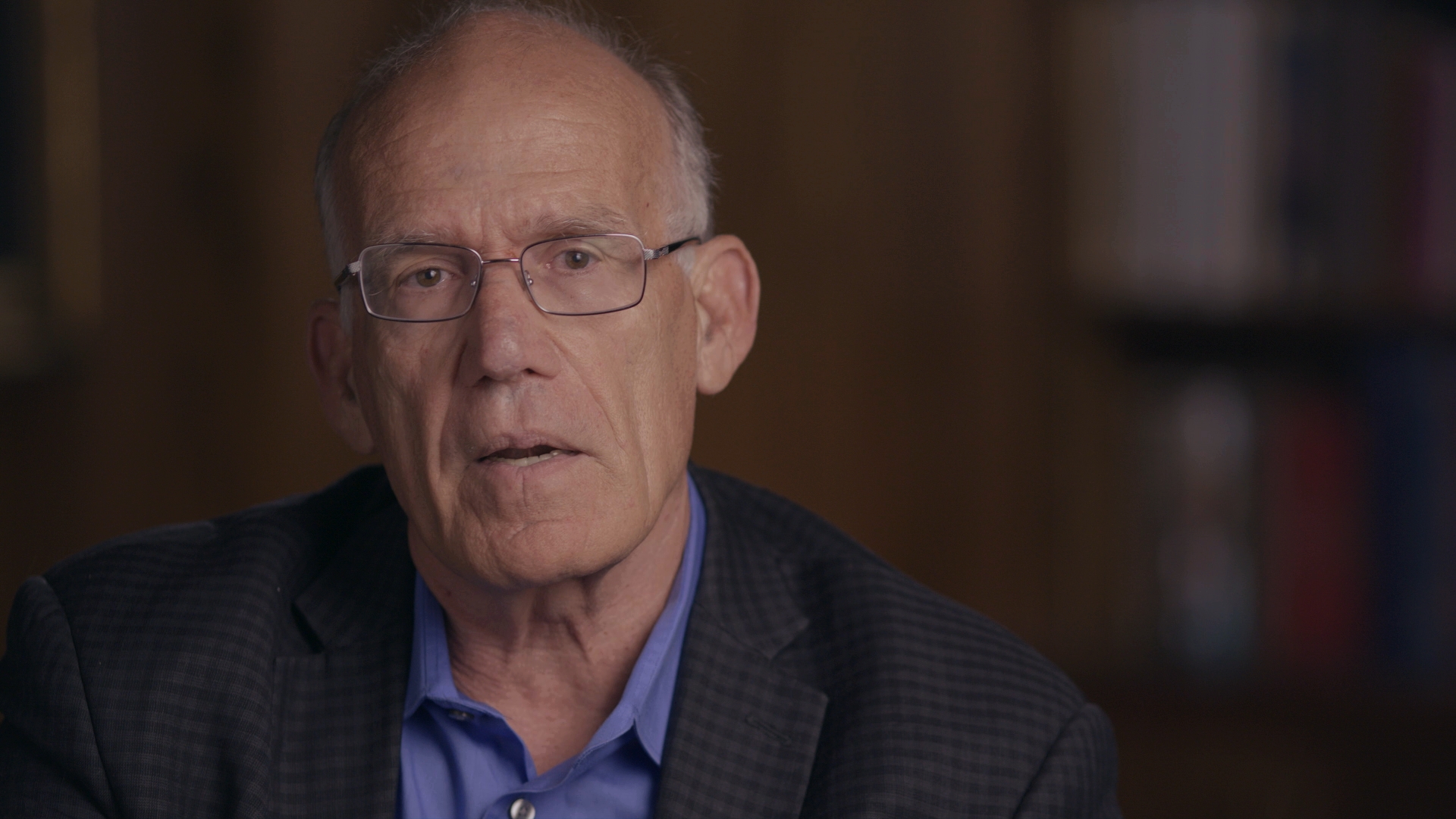 Victor Hanson photo taken from PBS Frontline
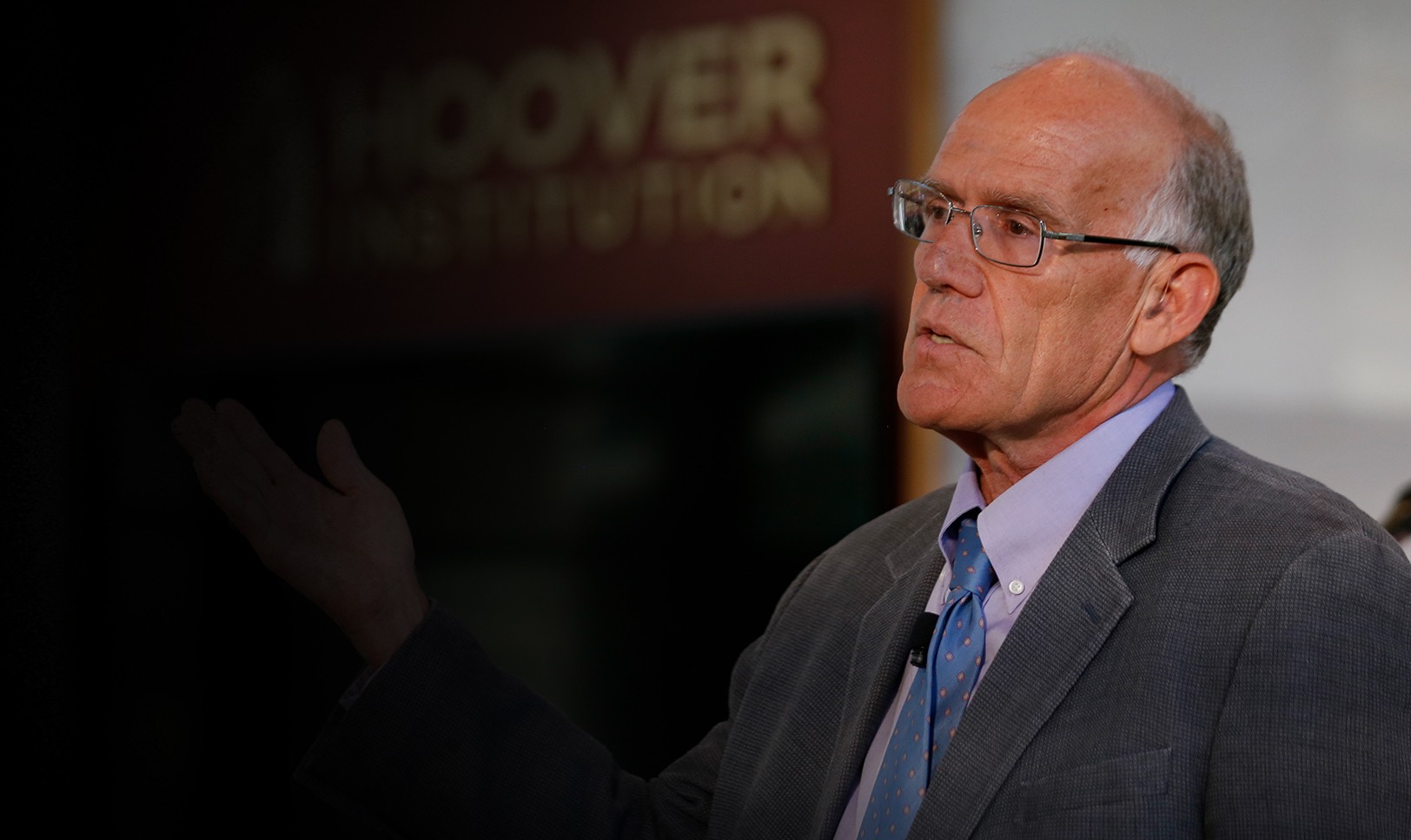 Victor Hanson photo taken from hoover.org
Chris Hedges on the Left and Victor Hanson on the Right Assert this about North America’s Free-trade Agreements
Canada and America’s free-trade deals fuel deindustrialization and unemployment for the working class, and the skyrocketing unemployment fuels drug use, domestic violence, mass shootings, suicides and crime.“Free-trade recreated oligarchy capitalism,” Hedges said. “. . . And the unchecked greed of these elites created phenomena like the opioid crisis, suicides, political extremists both on the left and right, mass shootings and crime in deindustrialized areas.”
Liberal and conservative leaders in Canada and the U.S. presented free-trade, globalism, as a means to better jobs, products, services, innovations and environmental standards.
Yet the opposite occurred!
“NAFTA mainly was mainly created to boost profit margins for the elites and the coastal cosmopolitans through the use of worker exploitation, cheap materials, low-quality manufacturing and non-existent employment and environmental standards in Mexico and China,” Hanson said.
“. . . Microplastics are found in almost everything throughout the world: our water, soil, animals and bodies.
“It’s proven globalism, with its shipping lanes and waste dumping, caused this. However, the elites and cosmopolitans still declare free-trade environmentally more safe, so the left will say anything to oppose Trump, even if it undermines its own desires and objectives.
“Plus, globalism always pushed to erode working-class prosperity, national sovereignty and cultural identity, especially in America.”
Hedges said, “Ronald Reagan, Brian Mulroney, Bill Clinton and Jean Chretien pushed for NAFTA.
“. . . So the Democrats abandoned the working class when it supported the Republicans in these trade deals. . . .
“ . . . And our gravest mistake happened when we failed to build a counterweight to the Democratic Party after NAFTA.”
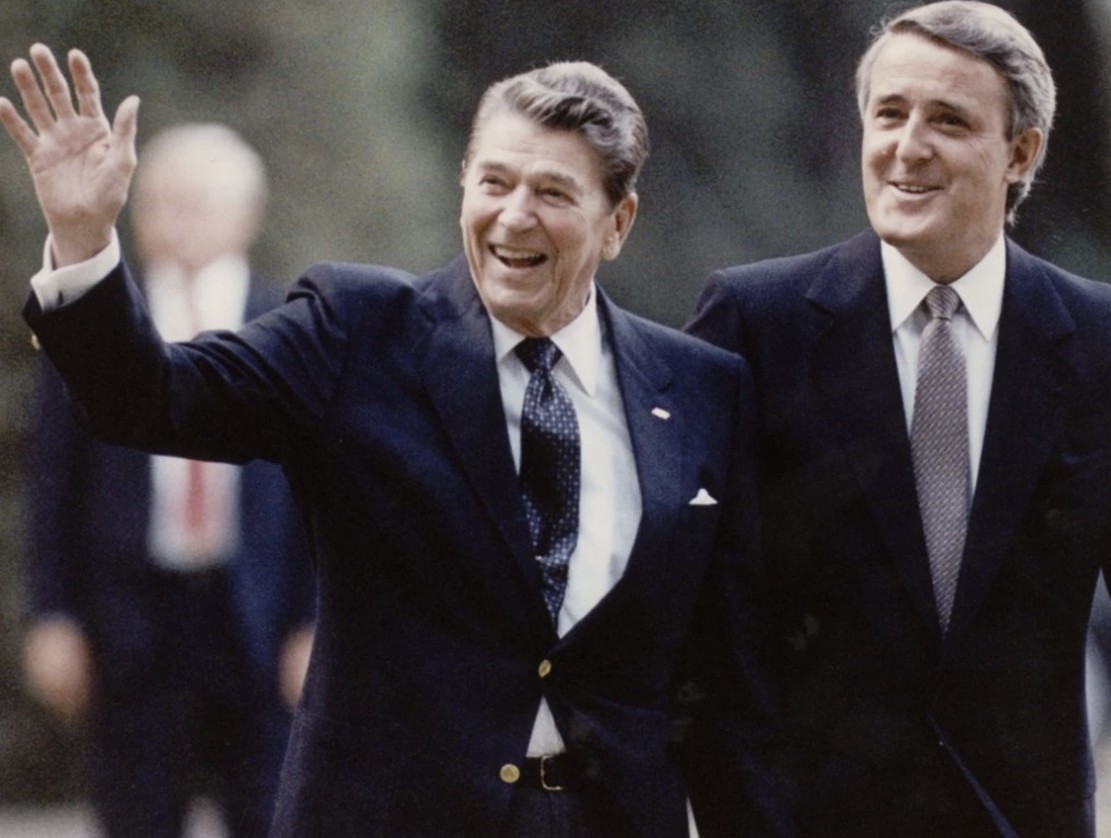 Brian Mulroney and Ronald Reagan photo captured by Toronto Sun's Greig Reekie
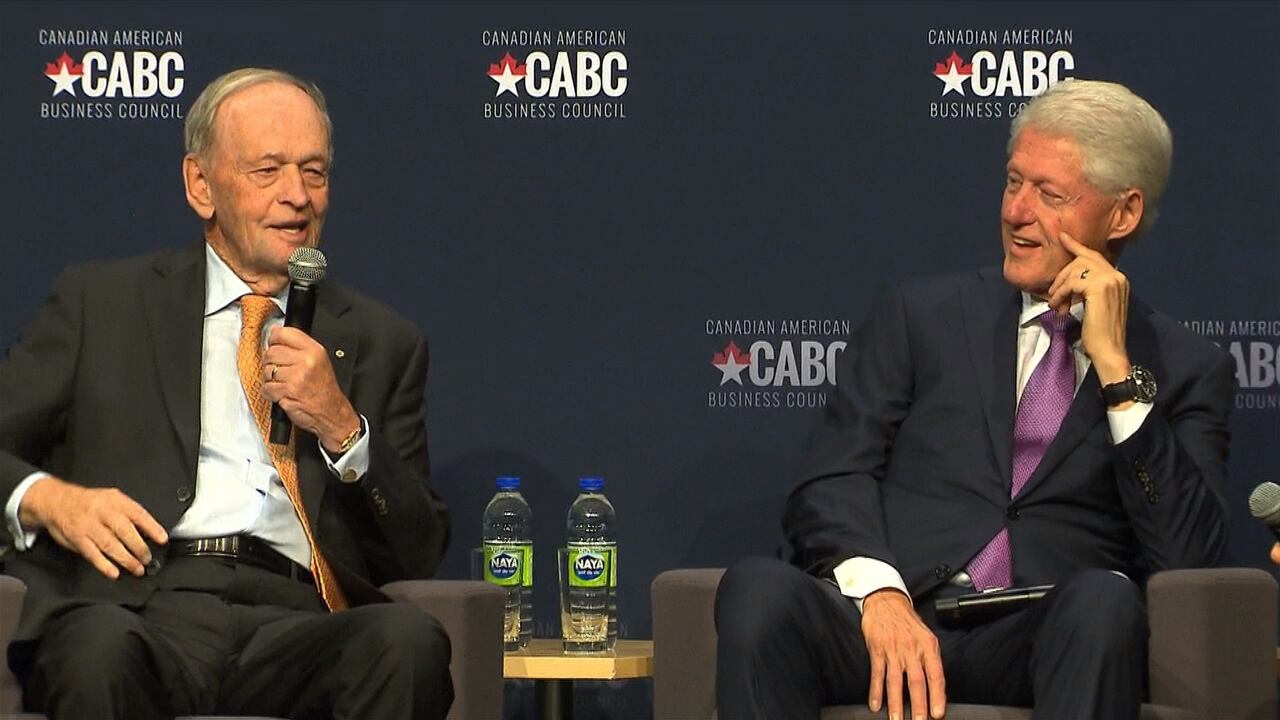 Jean Chretein and Bill Clinton photo taken from CBC
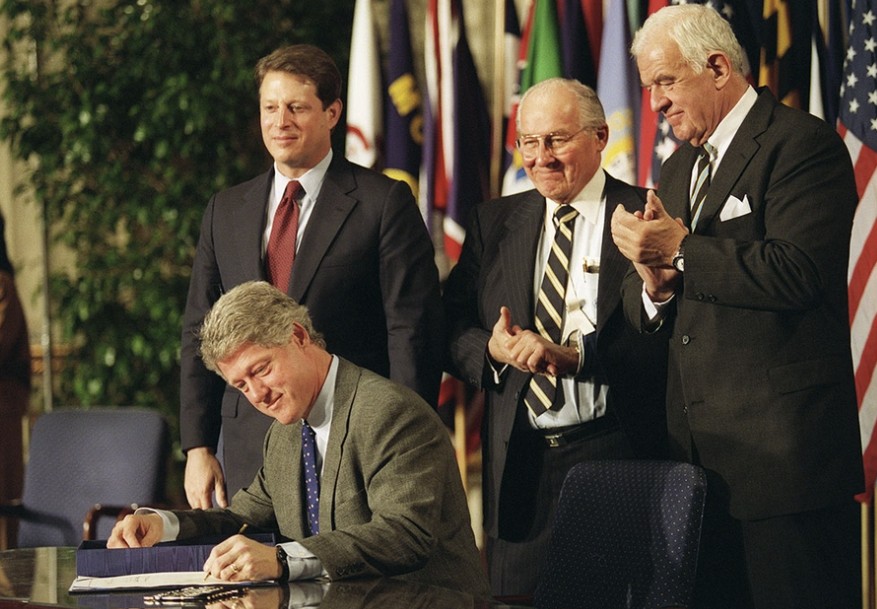 Bill Clinton photo captured by Paul J. Richards and taken from Getty Images
Chris Hedges Opposes President Trump’s Tariffs as Victor Hanson Advocates for Them.
Hedges wants mass social movements and protests and union influence to dismantle the oligarchy behind North America’s free-trade deals.“Persistent-mass protests, social movements and civil disobedience backed by unions produced the change throughout history – not obedience, politicians or the elites.” Hedges said.
However, Hanson describes President Trump’s tariffs as the means to smash the oligarchy behind free-trade and thwart China, Mexico and India from their engagement in mercantilism, a country exporting more than it imports through,
- tariffing imports
- subsidizing exports
- manipulating the value of its currency
- shirking labour and environmental standards
- flooding global markets with cheap goods
- stealing intellectual property and technology
- and using any other means to force one-sided trade
“China always engaged in mercantilism against the U.S.,” Hanson said. “by subsidizing Chinese exports, tariffing U.S. exports, stealing U.S. intellectual property and technology, flooding our markets with inferior-and-cheap products and manipulating the value of its currency.
“NAFTA creates, with just Mexico alone, a $170 billion each year in job losses and trade deficits because the trade deal allows Mexico to engage in sweatshop-labour and ignore employment and environmental standards with no sanctions.
“So Trump’s tariffs just match the tariffs on U.S. goods from other countries to force fairer deals, end worker exploitation and protect American workers.
“Trump’s tariffs also challenge traditional conservative free-market orthodoxy. Something overdue and needed!”
Canadian Liberal and Conservative Leaders Vie to Preserve the Status Quo for Canada’s Free Trade
President Trump's tariffs hand Canada an opportunity to exit its free-trade deals and rebuild its gutted economy through its own efforts and self-determination.However, Canadian Prime Minister, Mark Carney and Canadian Leader of the Opposition, Pierre Poilievre vie to preserve all Canada’s free-trade deals and replace America in USMCA with Mexico, China and the European Union, so Canada’s liberal and conservative leaders lack the will to transform Canada’s economy into an independent and productive one.
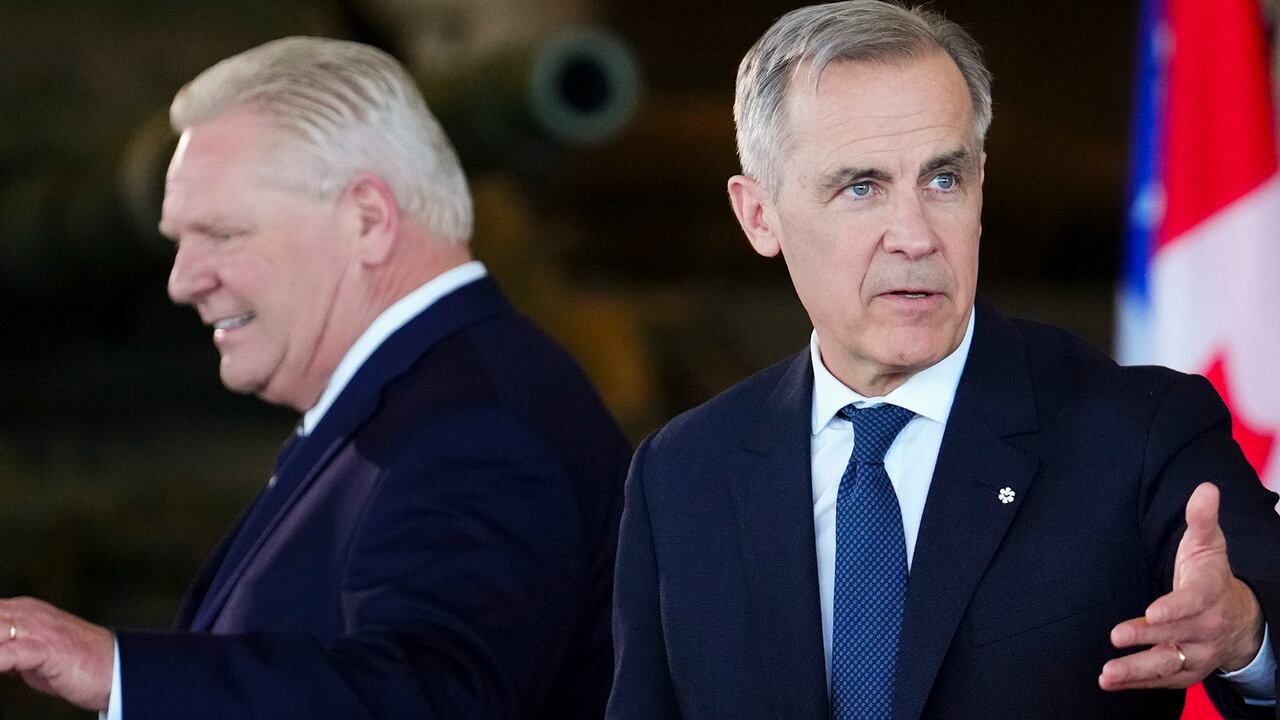 Mark Carney and Doug Ford photo captured by CBC's Holly Cabrera
Since we last spoke in 2020, Idris Reza and Roovert Katz received their American green cards, and Reza a designer and engineer job offer from an automotive EV supplier and Katz a scholarship to a Tennessee medical school.
The two already applied for a bank loan to relocate together to the U.S. with Reza’s wife and kids.
“There’s really no opportunity in Canada for capable people,” Katz said. “unless you got all the right connections and timing. Once we leave this place, we’re gone for good!”
“Unless we come back to visit you,” Reza cracked a smile and said.
To view Chris Hedges’ content, visit his Youtube @ChrisHedgesChannel or Subtack chrishedges.substack.com channel
And Victor Hanson’s content on his “The Blade of Perseus” website at victorhanson.com and Youtube channel @victordavishanson7273
Bobby Kushner, a screenplay, feature and public-relations writer in Kitchener-Waterloo, Ontario, Canada. To work with Kushner or pitch your story ideas, contact him at kushnerbobby@gmail.com or 226 - 220 - 4961
Download the text copy
Bitcoin Donations
Paypal Donations
 Mireille Labelle photo taken from Facebook
 Mireille Labelle photo taken from Facebook
 Rico Caponi photo taken from Facebook
 Rico Caponi photo taken from Facebook

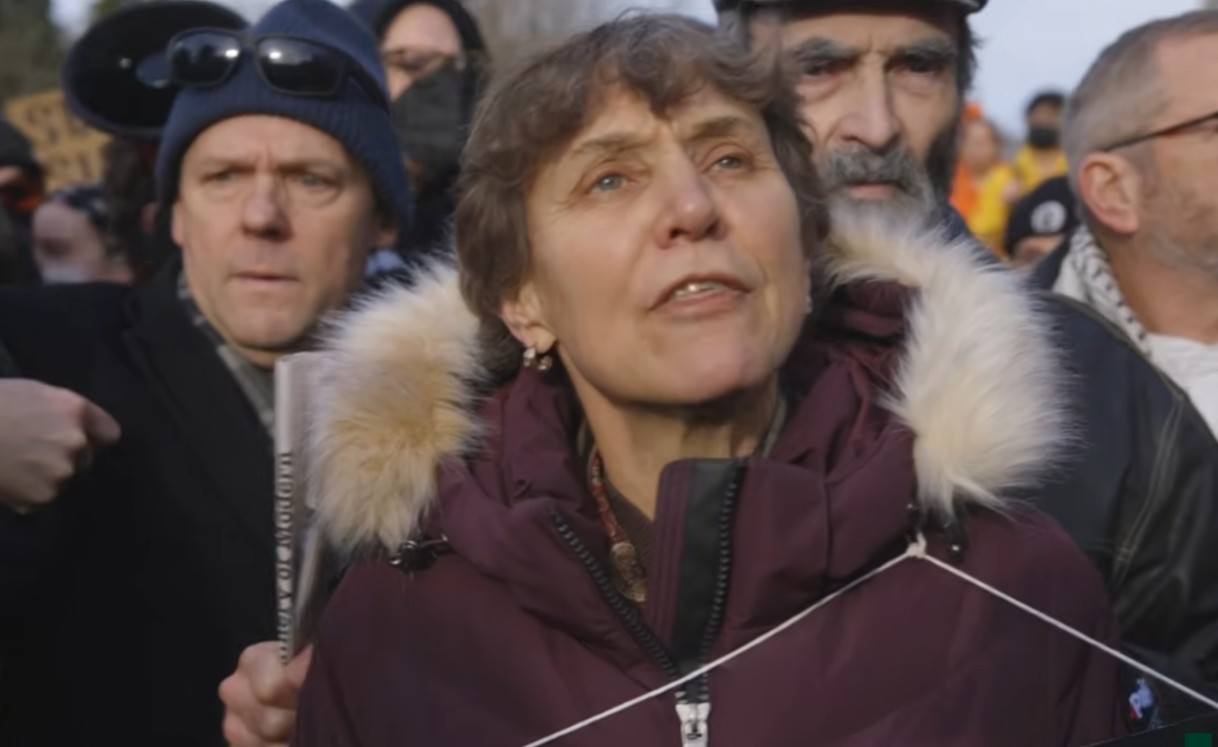



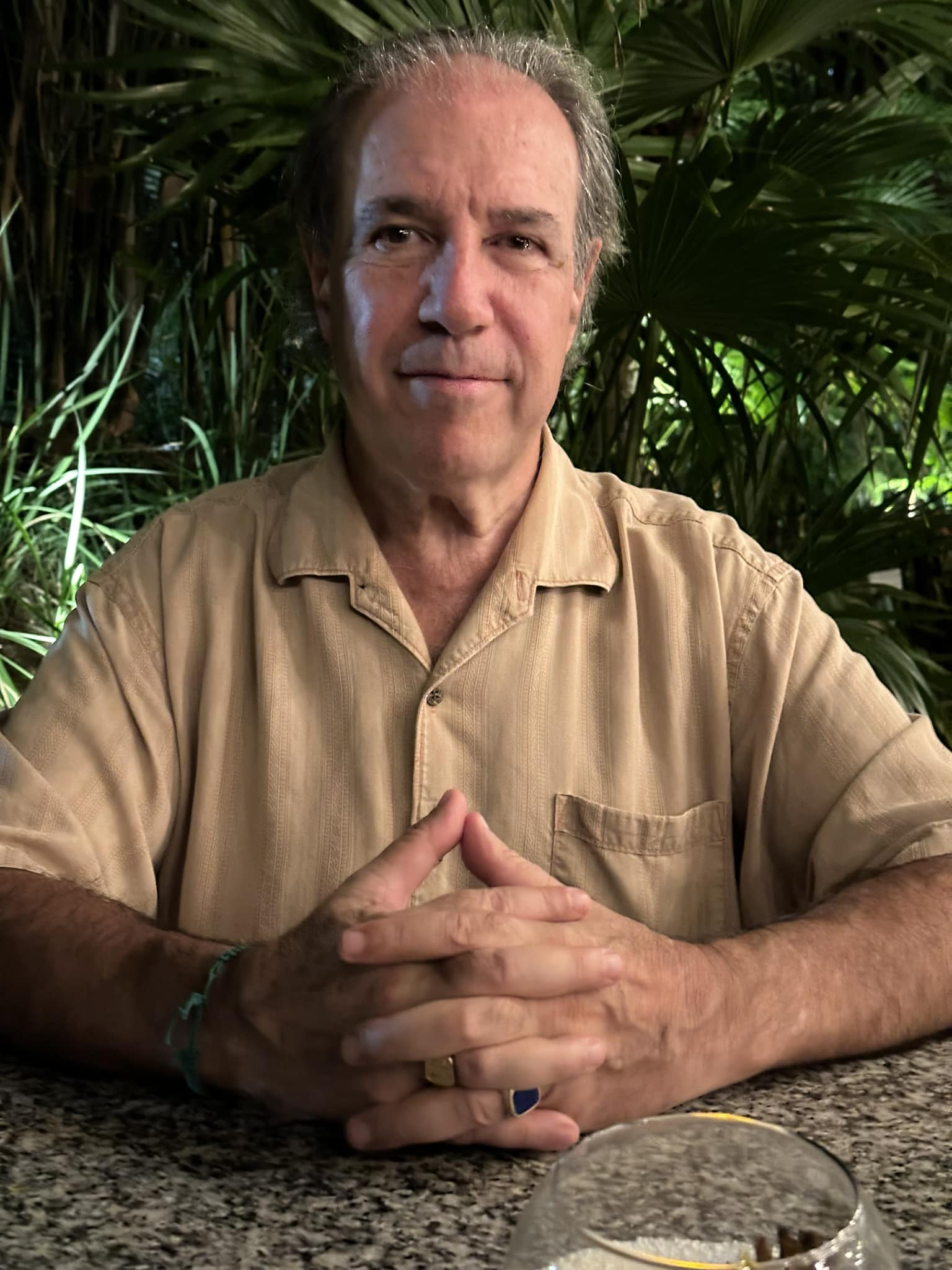
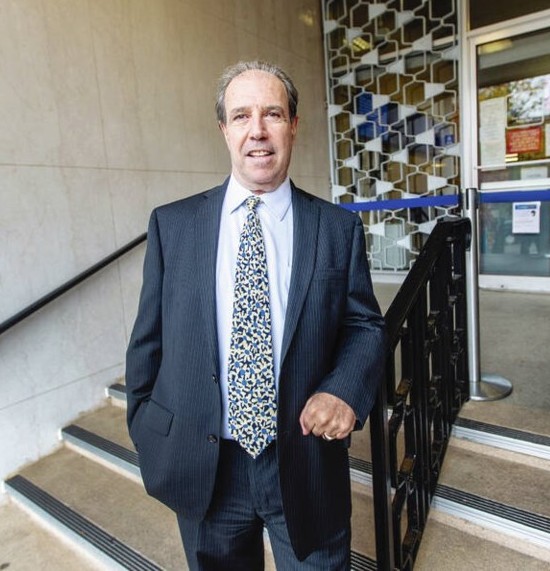






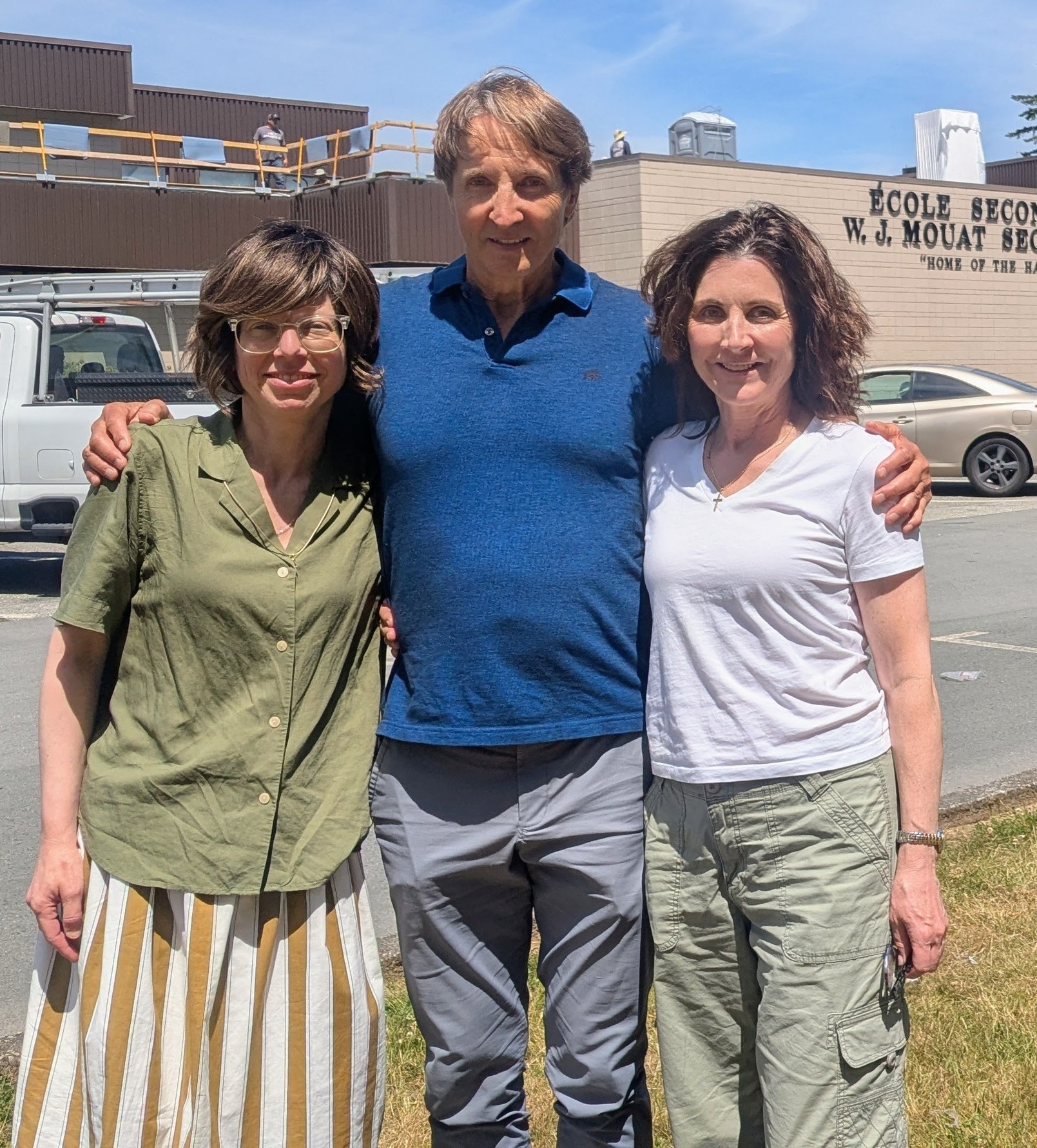


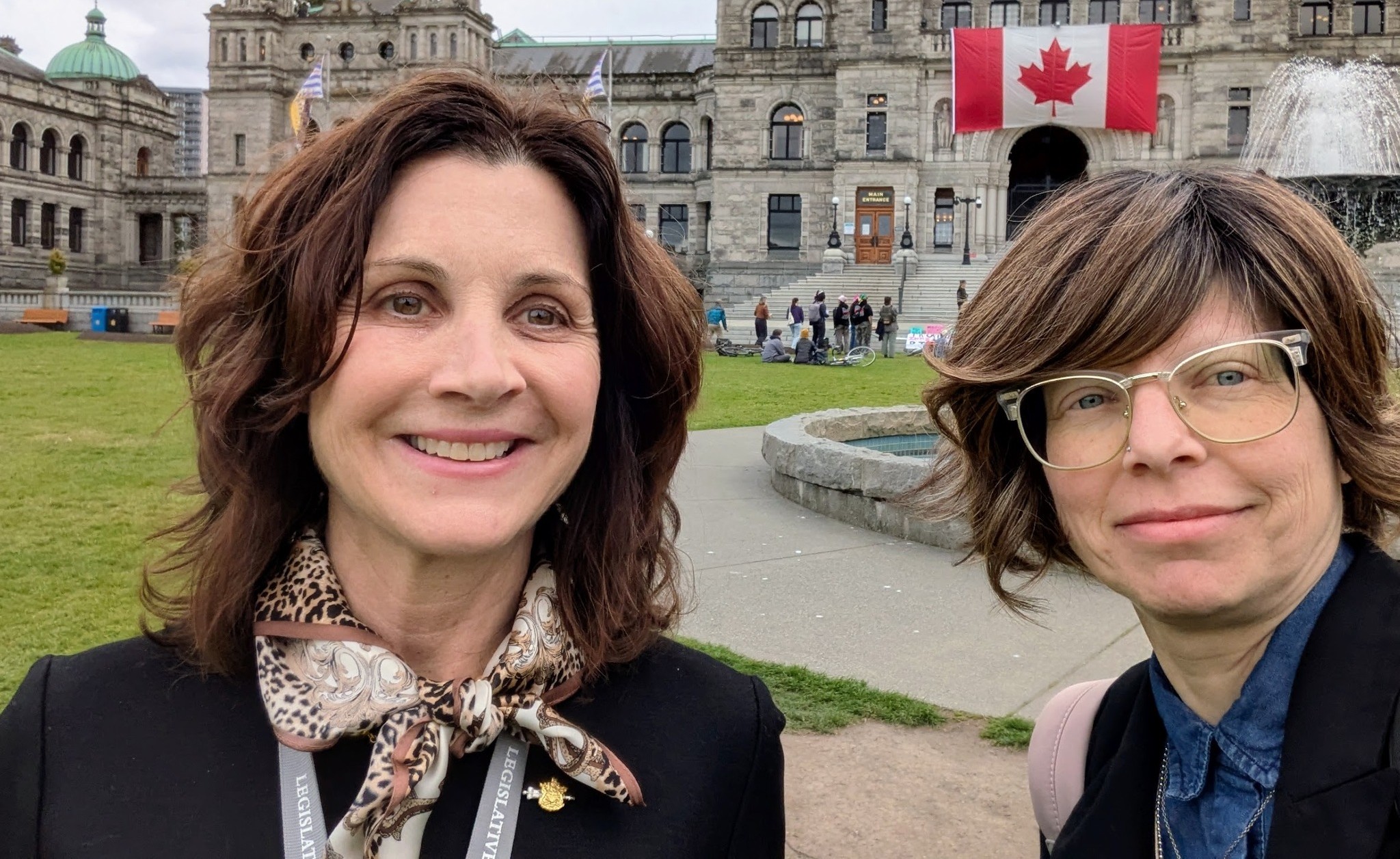
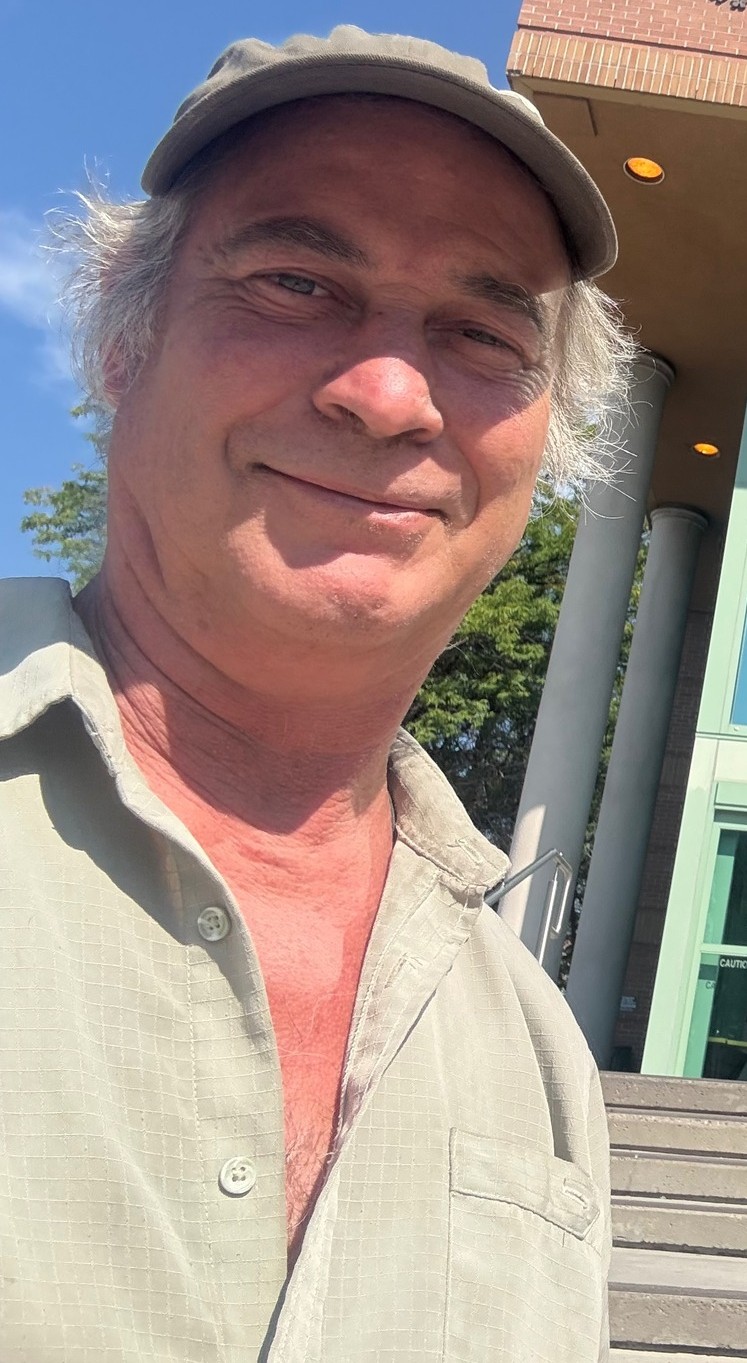




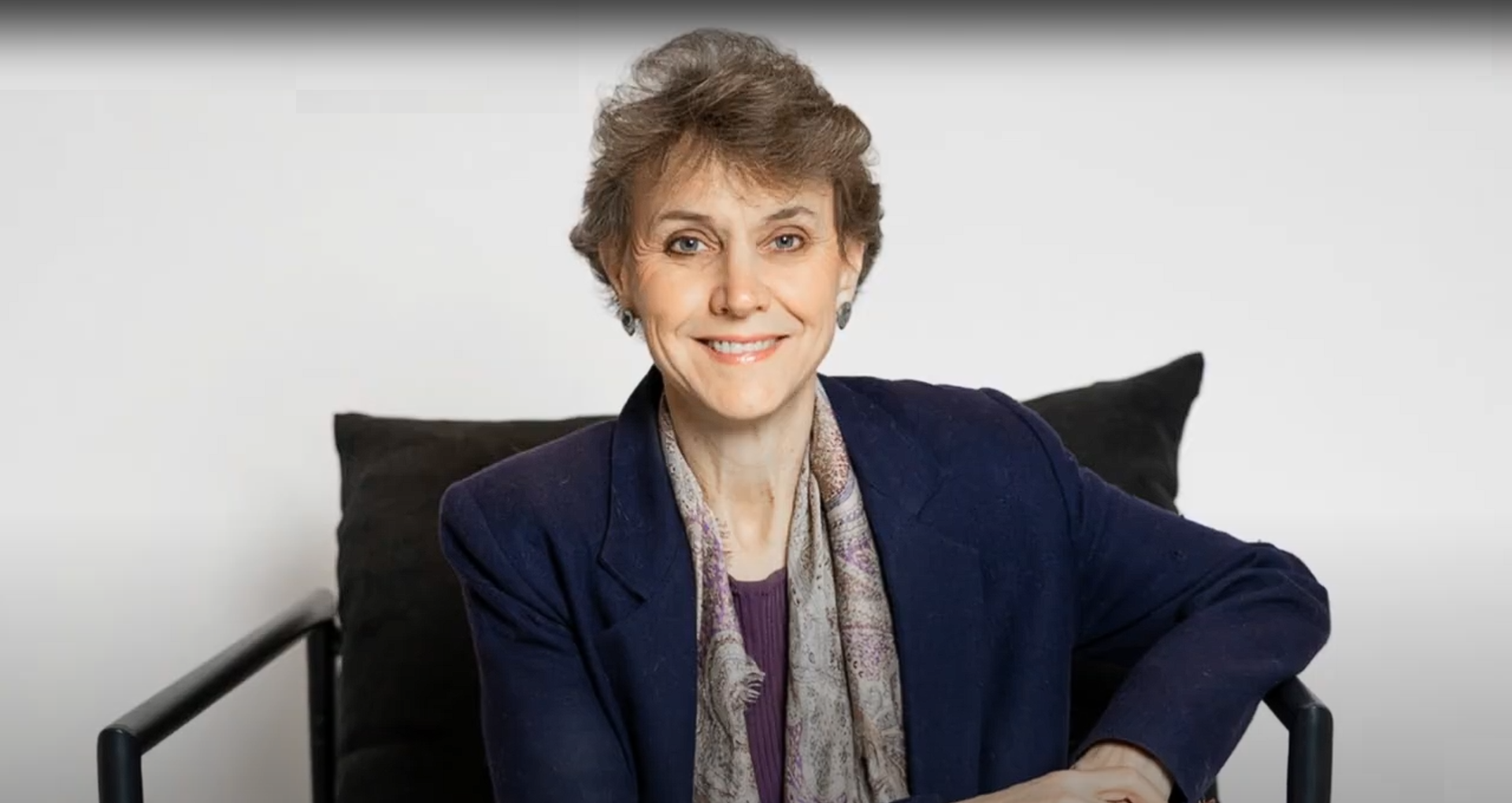 Frances Widdowson, a Canadian political scientist and writer about Canadian indigenous governance
 Gabrielle WeaselHead, an indigenous studies professor at Mount Royal University.
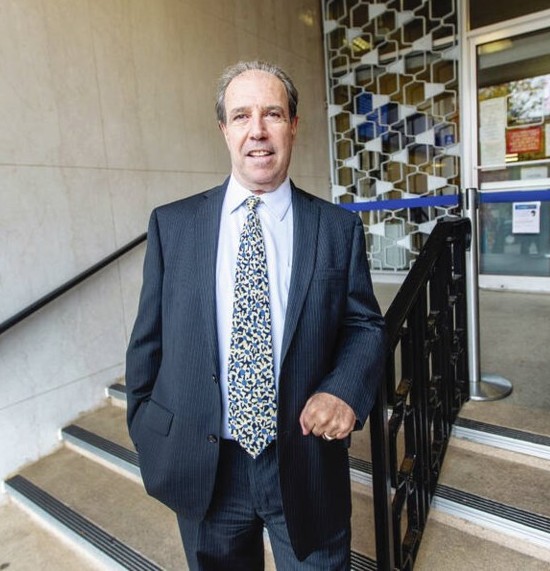 James Heller, a British Columbia criminal lawyer
 Dallas Brodie, a British Columbia criminal lawyer, MLA and OneBC party leader
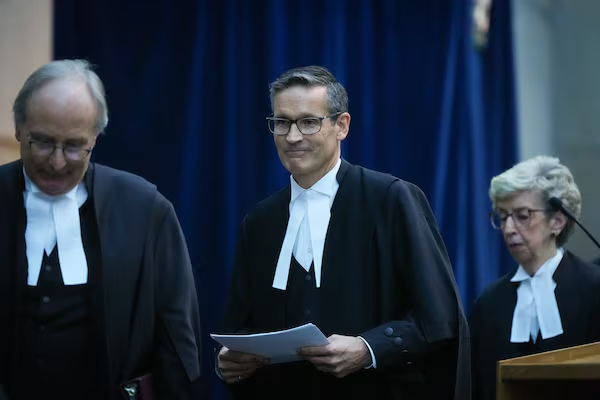 Leonard Marchand, a British Columbia Chief Apellate Justice
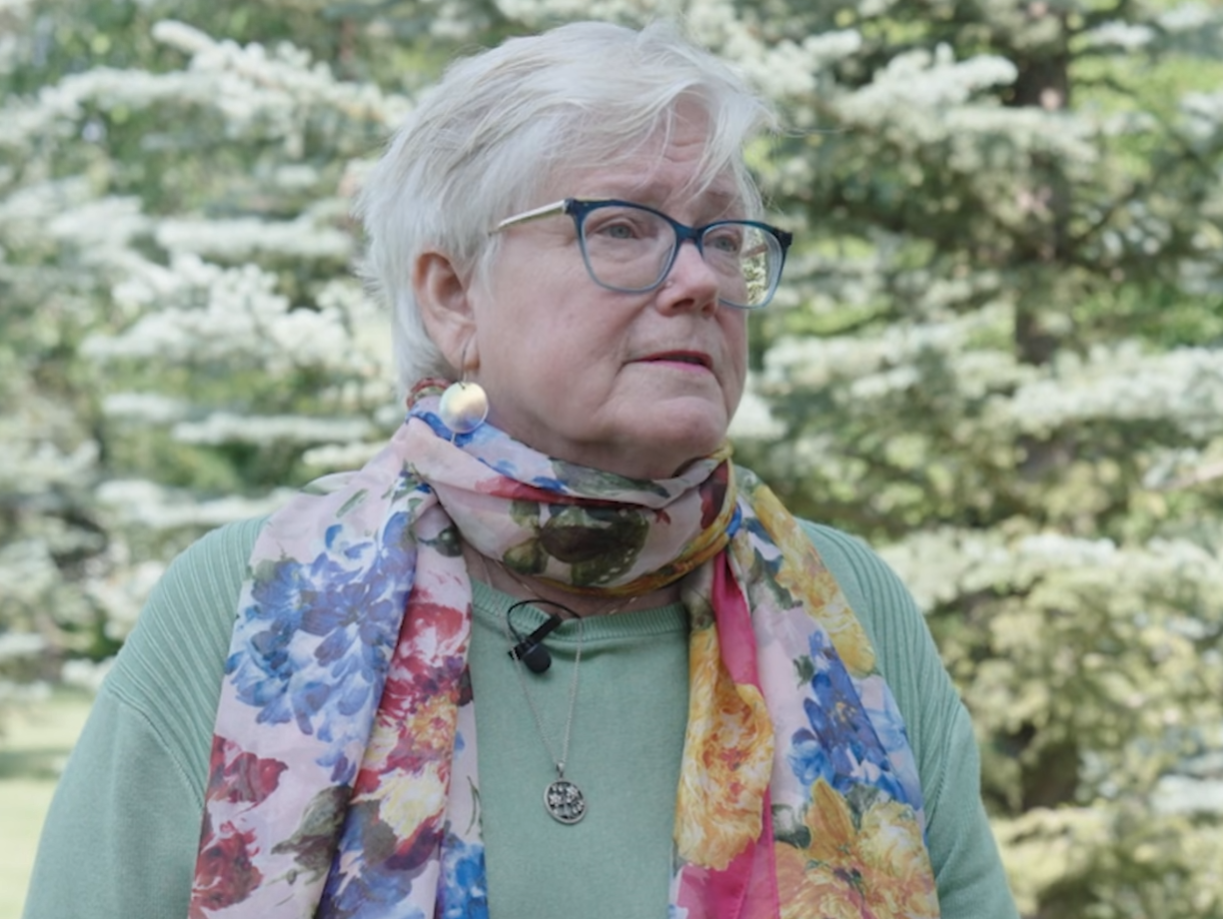 Michelle Stirling, a Canadian researcher and writer on the confederation and formation of Canada
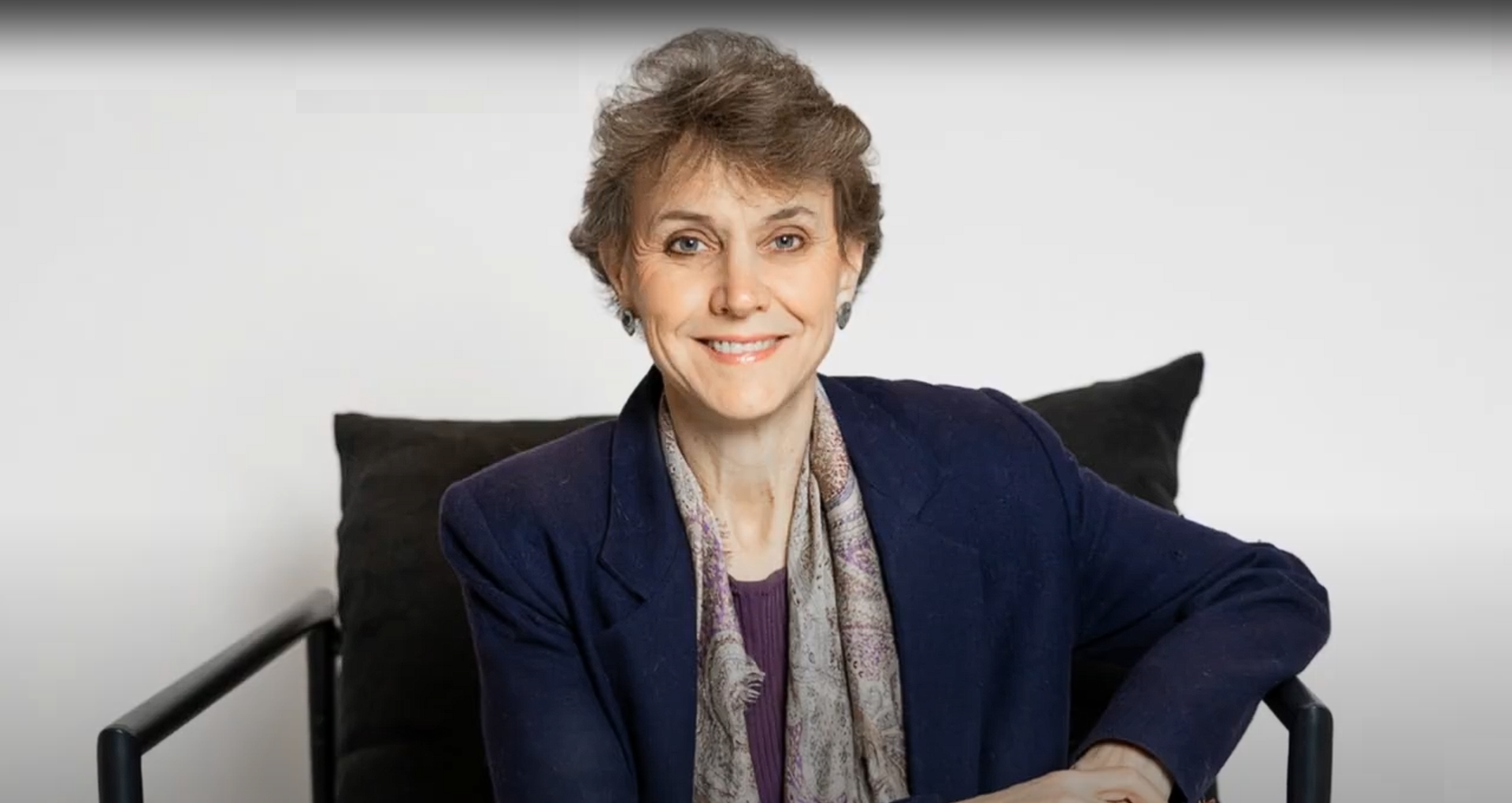 Frances Widdowson, a Canadian political scientist and writer about Canadian indigenous governance
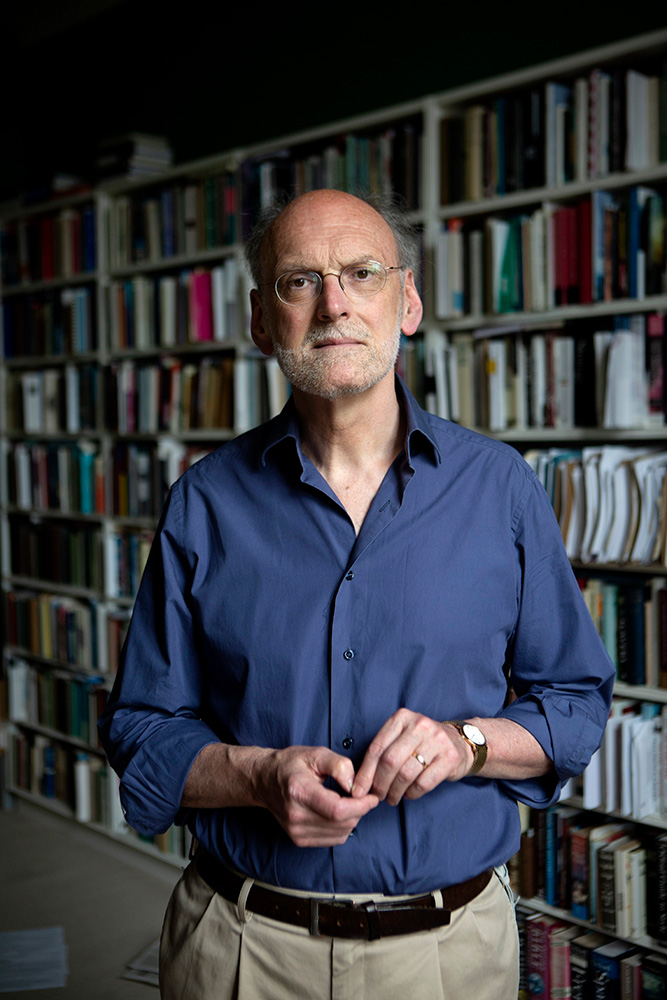 Nigel Biggar, a University of Oxford theology professor and historian
 Tomson Highway, a Canadian playwright, author and composer
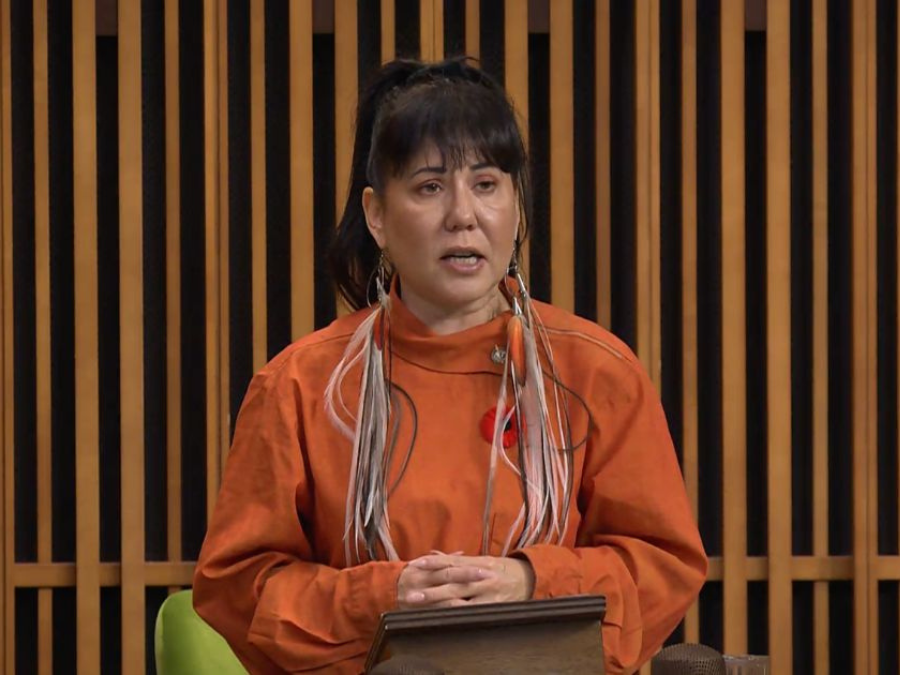 Leah Gazan, an NDP Winnipeg Centre MP
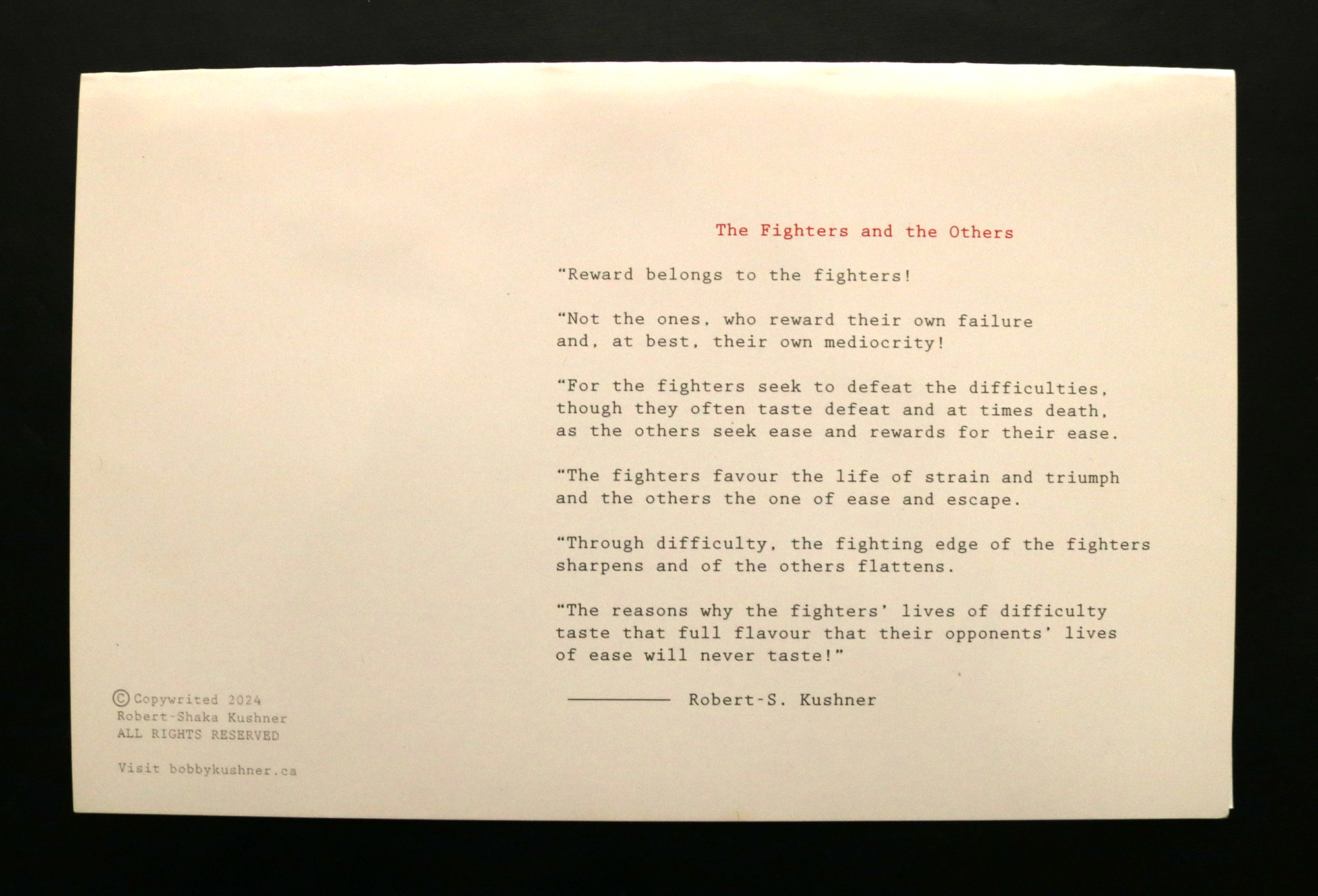 Bobby Kushner's "The Fighter And The Others"
 Bobby Kushner's "The Fighter And The Others"
 Methylphenidate prescription
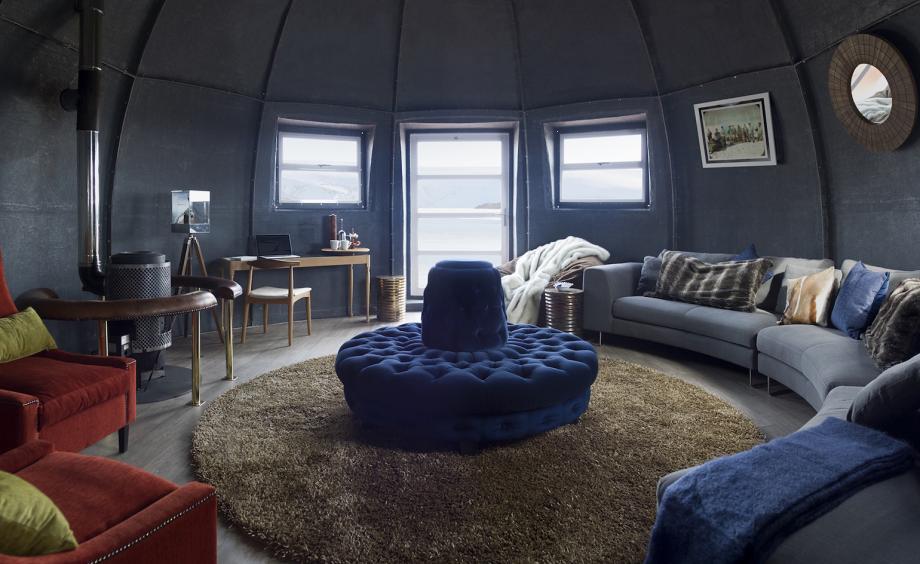 Don Kubley's Intershelter unit
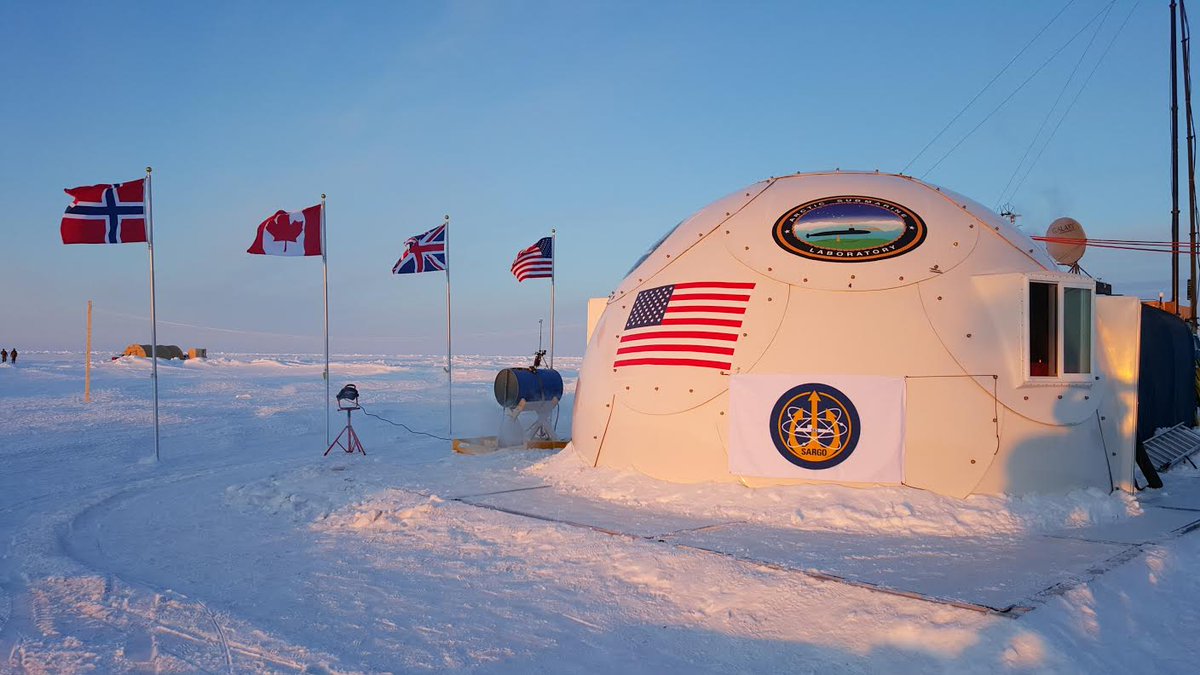 Don Kubley's Intershelter unit
 Michael Daniel's Exo unit
 Michael Daniel's Exo unit
 Chen Si
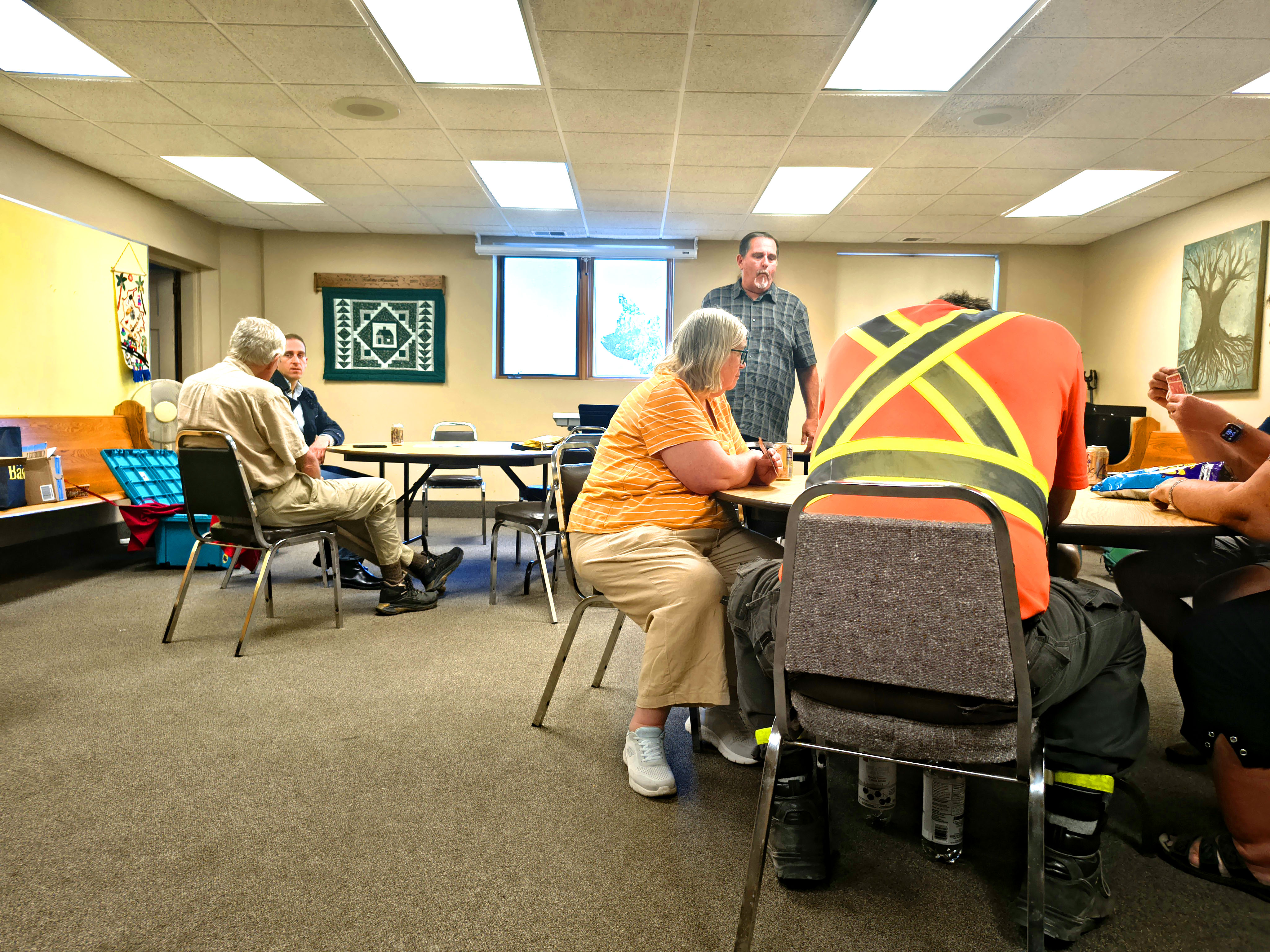 Photo of Paul Tucker at the Stirling Avenue Mennonite Church in Kitchener, Ontario.
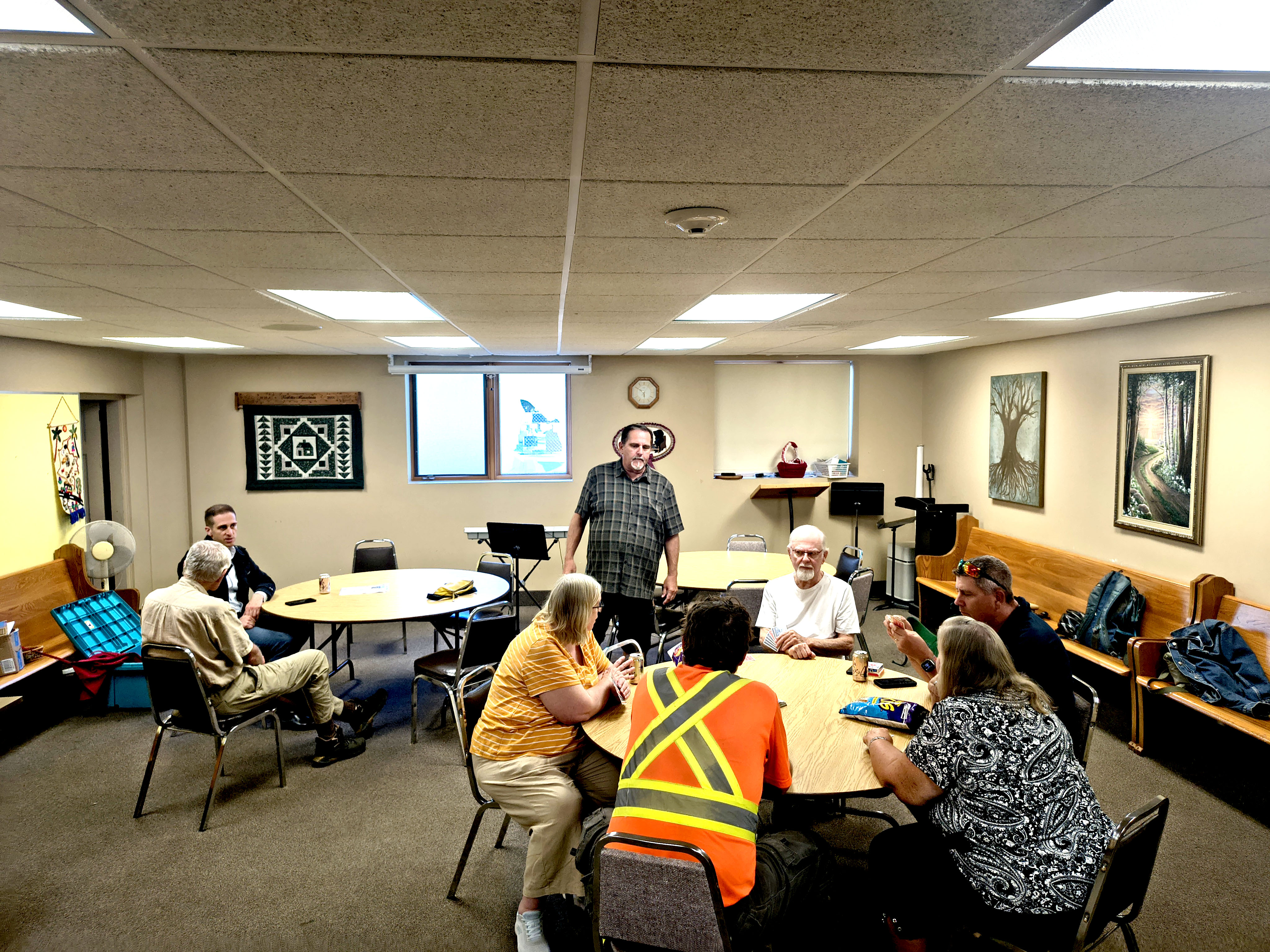 Photo of Paul Tucker at the Stirling Avenue Mennonite Church in Kitchener, Ontario.
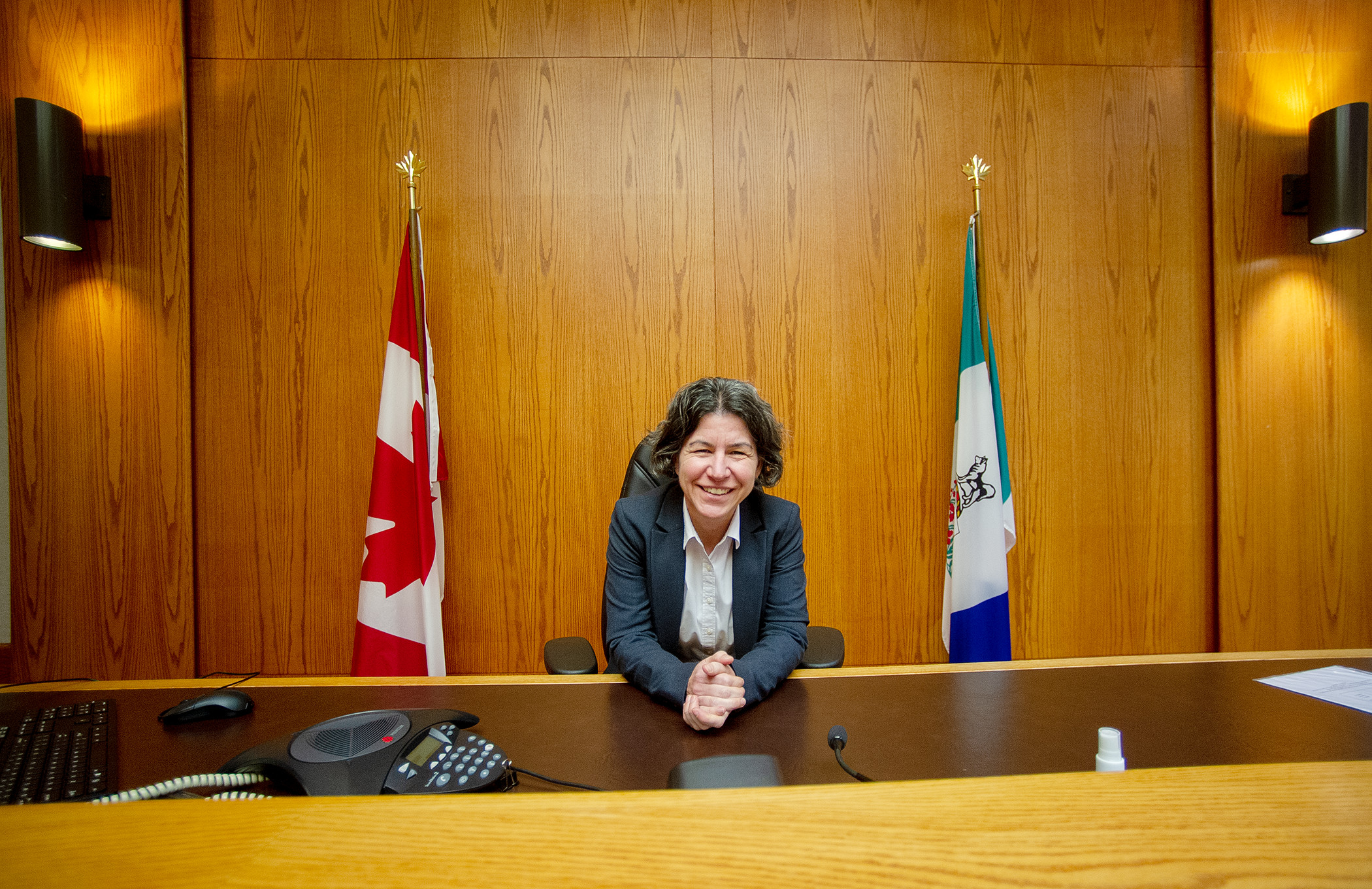 Yukon Justice, Karen Wenckebach photo captured by the Whitehorse Star
 Paul McLean photo taken from mathewsdinsdale.com
 Joella Hogan photo taken from indigenousyukon.ca
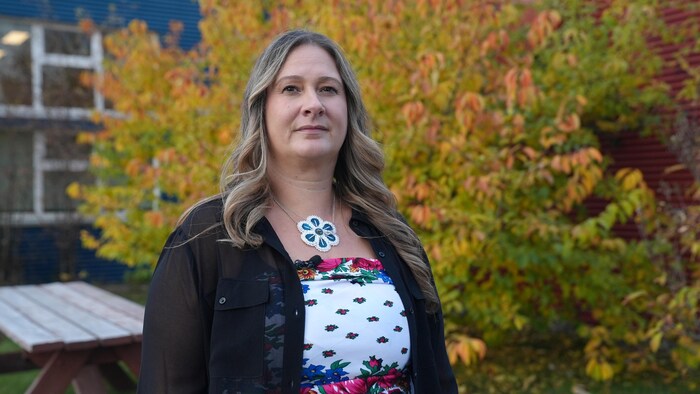 Teresa Samson photo captured by CBC's Kate Kyle
 Geri-lee Buyck photo captured by CBC's Karen McColl
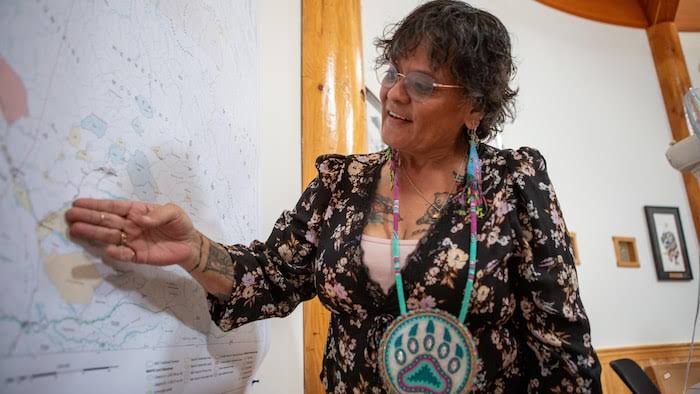 Dawna Hope photo captured by CBC's Camille Vernet